 Health & Displacement · DRC / Uganda
No Vaccine, No Playbook: Ebola Bundibugyo and the Limits of Outbreak Response
Read insight →
When WHO declared the DRC-Uganda Ebola outbreak a PHEIC in May 2026, responders faced a hard truth: for the Bundibugyo strain, there is no vaccine and no approved treatment. The response must rely on surveillance, isolation, and community trust.
June 2026 · Ummanitarian Insight
 Field Ops · South Sudan
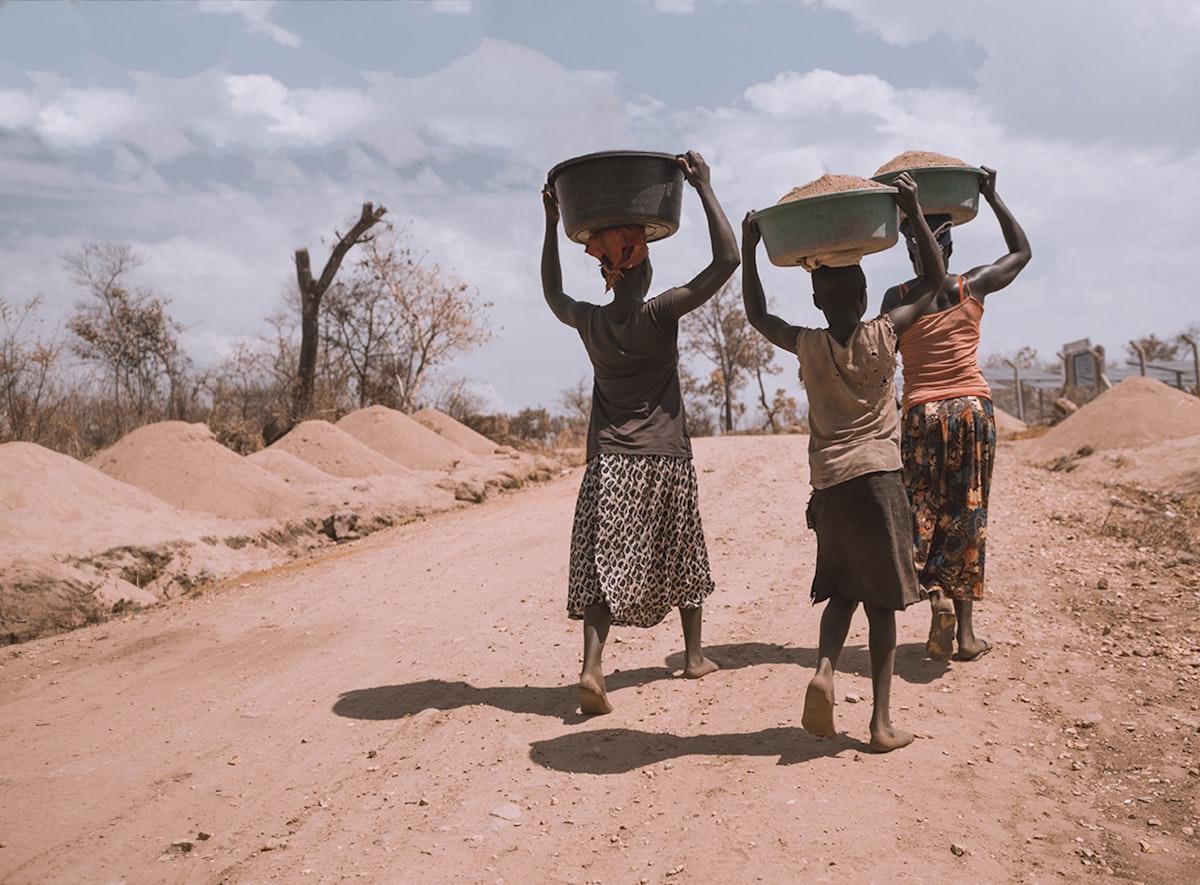
When Aid Withdraws: Jonglei's Suspended Operations and the Famine That Filled the Gap
Read insight →
NGO operations suspended in South Sudan's Jonglei since March. With 30% acute malnutrition in Nyirol — double the IPC famine threshold — what happens when humanitarian access collapses entirely.
June 2026 · Ummanitarian Insight
 Disaster Response · Indonesia
When the Siren Sounds Too Late: Indonesia's Flood Early-Warning Gap
Read insight →
Medan flooded again on 5 June 2026, six months after the Sumatra disaster that killed over a thousand people and exposed deep gaps in early warning. The agencies issued their advisories on time — so why does the warning still struggle to reach the village before the water does?
June 2026 · Ummanitarian Insight
 Public Health · Indonesia
One Drop of Humanity: What World Blood Donor Day Reveals About Indonesia's Disaster Blood Supply Gap
Read insight →
World Blood Donor Day 2026 lands days after fresh flooding in Medan and a tsunami advisory across Sulawesi and Maluku. Blood-stock levels still aren't part of Indonesia's disaster dashboards — a look at why, and what the last-mile gap means when the next flood hits.
June 2026 · Ummanitarian Insight
 Disaster Response · Indonesia
The Dashboard Delusion: What Years on the Ground Have Taught Me About AI and Disaster Response in Indonesia
Read insight →
AI dashboards, satellite mapping, and outbreak prediction are transforming Indonesia's disaster response on paper. After years working disasters from Palu to Aceh, IHSC's Putro S. Muhammad argues the real bottleneck is the “last-mile trust gap” between what a screen shows and what local responders can act on.
June 2026 · Ummanitarian Insight
 Health & Displacement · Gaza
Gaza's Water Lifeline Is Running Out: 330,000 People at Risk as Trucking Operations Wind Down
Read insight →
OCHA reports that humanitarian partners have begun phasing out water-trucking operations across Gaza, leaving over 330,000 people at risk of losing their primary drinking water source as disease and sanitation crises deepen.
June 2026 · Ummanitarian Insight
 Capacity & Resources · Global Event
WADEM 2027 Paris: Call for Abstracts Now Open for the World's Premier Disaster Medicine Congress
Read insight →
The World Association for Disaster and Emergency Medicine invites abstract submissions for its 24th Congress in Paris, 26–30 April 2027. Theme: Research, Relevance, Resilience. Deadline: 1 November 2026.
May 2026 · Ummanitarian Insight
 Capacity & Resources · Medical Education
Buku Saku EMT: IDI dan PTBMMKI Perkuat Standar Respons Medis Darurat Indonesia
Read insight →
Ikatan Dokter Indonesia bersama PTBMMKI meluncurkan Buku Saku EMT — panduan praktis standar tim medis darurat untuk memperkuat kapasitas respons bencana di lapangan.
Juli 2024 · Source: Peduli Respons
 Health & Displacement · Gaza
Gaza: Aid Flows Decline 37% Even as Needs Deepen
Read insight →
OCHA's May 2026 report documents a 37% decline in humanitarian aid flows into Gaza even as malnutrition, displacement, and health system collapse continue to worsen.
May 2026 · Source: OCHA
 Field Ops · Syria
Syria After Assad: 16.5 Million Still in Need as Reconstruction Begins
Read insight →
IOM's 2026 crisis response plan for Syria outlines the scale of reconstruction needs as the country transitions out of conflict, with millions still requiring humanitarian assistance.
2026 · Source: IOM
 Disaster Response · Aceh
When Forests Fall, Floods Rise: Lessons from Aceh's 2025 Disaster
Read insight →
Four months after the 2025 Aceh floods, Sumatra moves from emergency response to reconstruction — raising questions about deforestation, early warning systems, and long-term resilience.
2025 · Source: ANTARA News
 Disaster Response · Iran
Iran: Flash Floods and Fragile Systems — A Compounding Crisis
Read insight →
Flash floods across Iran exposed the fragility of emergency response systems already under strain from sanctions, infrastructure decay, and climate variability.
2025 · Source: GDACS
 Law & Politics · Syria
Syria's Aid Gap: What a 33% Funding Rate Tells Us About the Global Humanitarian System
Read insight →
With only 33% of Syria's humanitarian response plan funded, the gap reveals structural failures in donor commitment, political will, and the architecture of global humanitarian finance.
Feb 2026 · Source: Security Council Report
Law & Politics · ICJ
South Africa v. Israel: What the ICJ Genocide Case Means for Humanitarian Law
Read insight →
The genocide case before the ICJ has become the most consequential legal test of international humanitarian law in a generation, reshaping how the world defines accountability in armed conflict.
March 2026 · Source: ICJ
 Climate & Environment · Southeast Asia
Climate Disasters Are Draining Southeast Asia's Shrinking Aid Budgets
Read insight →
Humanitarian assistance for extreme weather in Southeast Asia hit a record $1.4 billion in 2023 — yet remains just 5% of total development spending, as climate-driven floods intensify and aid budgets shrink globally.
2025 · Source: Lowy Institute
About Ummanitarian Insight
This publication shares perspectives from Ummanitarian's advisory network — practitioners, researchers, and policy thinkers working at the intersection of humanitarian action, public health, and disaster preparedness. Our aim is to make serious ideas readable, and field experience useful beyond the field.
